






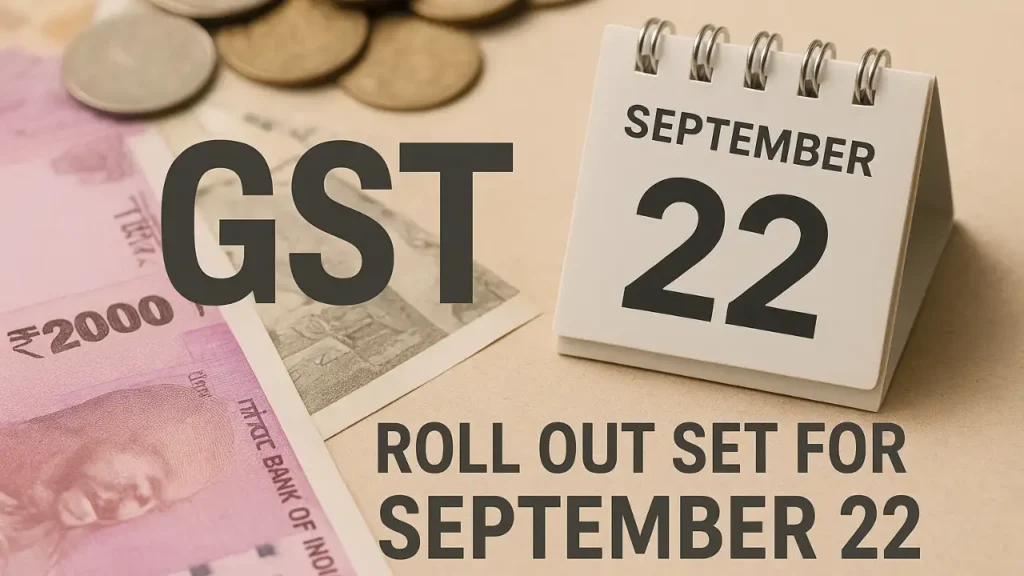
With the deadline for implementing GST reforms 2.0 approaching on September 22, the Centre has ramped up efforts to get everything in order. On Monday, Cabinet Secretary T.V. Somanathan chaired an inter-ministerial meeting that included Finance, Commerce and Industry, Textiles, Heavy Industries, Fertiliser and MSME ministries to sort out final hurdles to the implementation.
Focus on Sectoral Challenges
The government’s main priority is to see the ministries of economics working together; all ministries continue to work closely with their individual industries. The automobile, textiles and fertiliser industries have all highlighted several challenges, including issues with cess and inverted duty structures.
• Automobile sector: The cess being charged on vehicles that have already left the factory gates but still not sold after September 22 raises a major issue since cess will no longer apply. The procedure to adjust cess already paid is complex.
• Textiles and fertiliser: Many industries are still addressing inverted duty structures. For instance, steel is charged 18% GST whilst bicycles and e-bicycles are charged 5%, which creates market distortions. Also, the duties found within fertiliser subsidies, packaging and structure have always not added up to duties and vice versa.
Pass-Through Benefits to Consumers
Another hot topic was the pass-through benefits of GST rate cuts to consumers. Since there is only a limited time to label stocks, companies are rushing in response to the request from the government to pass on price reductions. Retail offtake has slowed in the past month as buyers anticipated further lower costs, meaning stocks piled up in various sectors.
Officials emphasized that the ministries will need to work with industry groups to confirm that reduced GST rates are passed on to end-users to avoid supply chain bottlenecks.
While the government has supported broad sections of the value chain, industry representatives continue to press sector-specific issues. The inter-ministerial coordination will address these bottlenecks well ahead of the final rollout date.
The Cabinet Secretary reiterated that the reforms will launch on September 22. The respective ministries are responsible for supporting industry transition and consumer benefits.






More Stories
Marking a Year of Innovation, TOEFL iBT® Strengthens Engagement with India’s Globally Focused Students
Abhimanyu Singh: A Young Leader Blending Enterprise, Education, and Social Responsibility for Nation Building
JEE Advanced 2026: IIT Roorkee Rejects Mass Cheating Allegations, Says Only Two Top-10,000 Candidates Showed Large Score Variations