






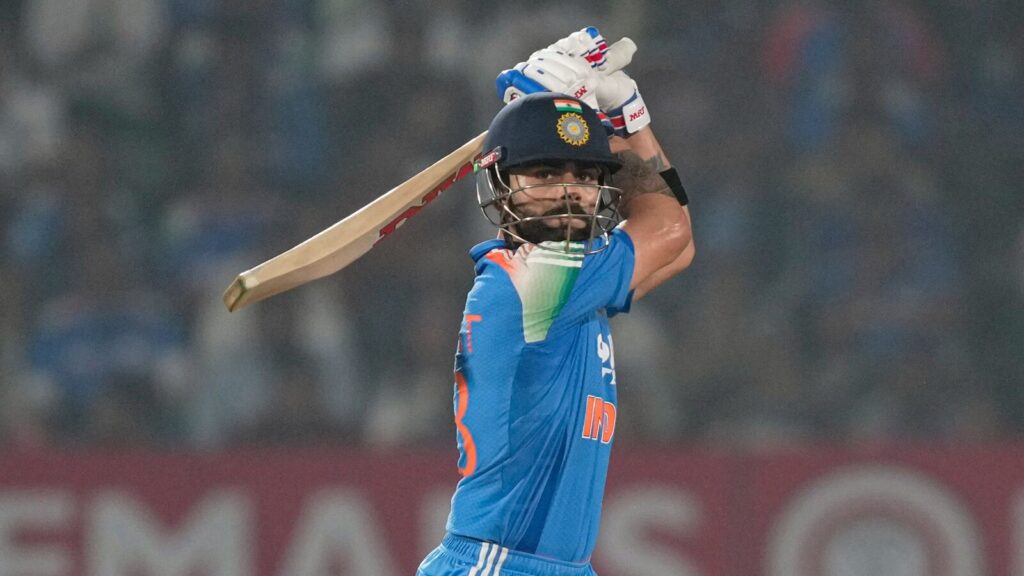
Ahmedabad – The first ODI series between India and New Zealand officially began with an exciting match on January 11, 2026, when Rohit Sharma, Virat Kohli, and Shubman Gill all made excellent contributions to help set up an impressive victory for Team India as they played host to New Zealand at Sardar Patel Stadium, Motera. Fans across India were invested in the match as Team India quickly took control of the game against the visiting Kiwis.
India won the toss and elected to bat first, starting strong as Captain Rohit Sharma and Shubman Gill played aggressively and attacked the New Zealand bowling line-up early.
India’s batting display:
Shubman Gill was the key figure in the early part of the innings with his cool-headed batting approach and skilful stroke-making. He kept the scoreboard ticking, allowing for India to gain momentum through the early stages of their innings.
Captain Rohit Sharma played an important role in building partnerships and stretching the boundaries by taking control over his innings and being patient until he saw opportunities to accelerate.
The Middle Aeon Strength of Virat Kohli
In the middle overs, Virat Kohli anchored the innings using calm and collected batting. He kept the scoreboard moving, and his calm influence provided stability, allowing batters to play with confidence.
India’s foundation for a large score at this historic venue in cricket was a direct result of Virat’s skilled presence.
The Bowling Performance of New Zealand
The New Zealand bowling attack, made up of many experienced campaigners, worked extremely hard at breaking through partnerships and managing the scoring pace of India. New Zealand maintained tight lines and lengths in their attempts to control the scoring, particularly during the middle overs.
Certain bowling spells increased pressure on Indian batters, making them more thoughtful about the kinds of shots they played and requiring them to re-evaluate their field placements. The Kiwis sought to capitalise on strategic moments by reducing India’s ability to score runs during the final overs of the innings.
Match Dynamics and Turning Points
Powerplay Performance. India started positively within the first 10 overs of the match, which allowed India to make a strong start by building solid foundations.
Control During Middle Overs. Kohli played conservatively in the middle overs, ensuring that India did not drop off when scoring runs in the middle of the innings.
Adjustments Made With Bowling. The field placements and bowling changes made by New Zealand created obstacles for Indian batters at important times.
The match transitioned into a contest of tactics. India was in a position to score runs while New Zealand was playing defensively.
Outlook for the Series and What Both Teams Could Gain From Winning the Opener.
The ODIs in this series are important in the progression of both teams as they prepare for larger ICC events in the year 2026. India will use this opportunity to test its depth of players and combination of players on home grounds, while New Zealand will be working on their ability to adapt quickly to slower and more varied-pace surfaces in the subcontinent.
Both teams will want to win the first ODI and gain some early momentum. Winning this ODI is important because it allows both teams an advantage by having the highest net run rate and level of confidence going into the remainder of the series.




More Stories
MI vs RCB WPL 2026 Live: Mumbai Indians Win Close Encounter Against Royal Challengers Bengaluru
Lionel Messi’s GOAT Tour of India 2025: The Places, Timing, and Expectations for Fans
Pre-Release Buzz and Booking Trends