



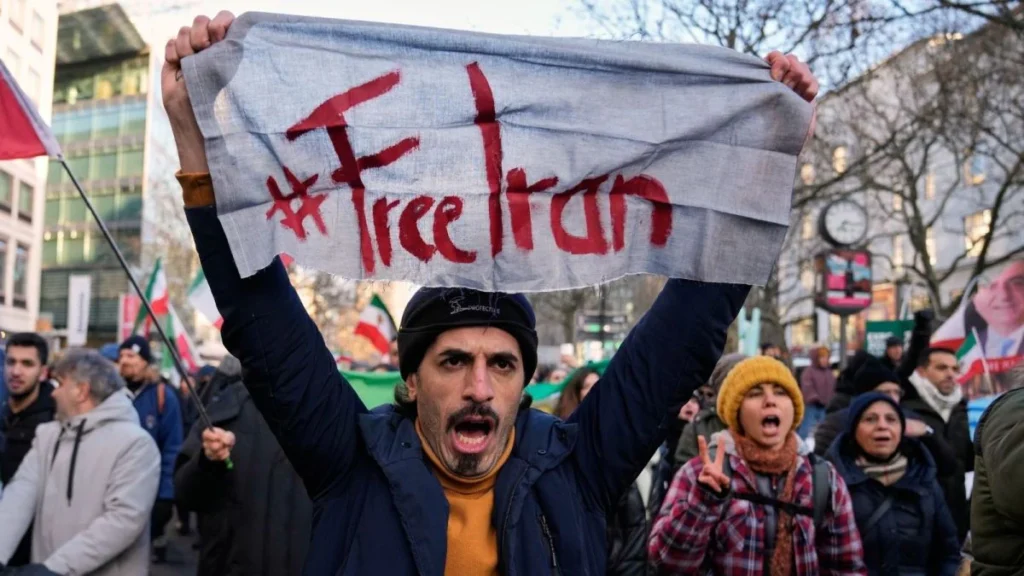
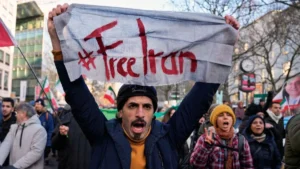
Anti-government protests enter their third week inside Iran, as the communication shutdown inside the country reaches critical levels, with reports of injured and dead rising globally. Anti-government protests, stemming from economic woes as well as discontent inside Iran, have spread across the country, with reports of violence inside major cities inside the country, including Tehran, Mashhad, and Isfahan, despite a communication shutdown inside the country initiated by the Iranian government.
This crisis has elicited considerable interest worldwide, with countries such as the United States and Israel, as well as major world powers, closely following this volatile situation that is still developing.
Nationwide Internet Blackout and Blocking of Communication
Iran’s government has imposed a near-total internet shutdown in an effort to staunch the flow of protest footage and mobilisation among protesters. Firms tracking telecommunications say websites, social media platforms and mobile data services are largely not accessible, limiting independent reporting and information out of the country.
While some satellite links and partial voice calls still get through sporadically, the blackout—reportedly in place since early January—has cut off millions of people from both internal and external communication. The wider world cannot reach many of them, nor can they call their friends and family, thereby raising anxiety among the Iranian diaspora.
Intense Protests and Rising Death Toll
Protests that began in late December over record inflation, currency collapse and declining living standards have quickly morphed into one of the largest anti-government movements in years. Right now:
- Authorities have cracked down hard, using tear gas, live ammunition and mass arrests, driving the unrest into its second or third week.
- Independent groups and rights organisations report hundreds of deaths and thousands of detentions, though exact figures are hard to verify due to the communication blackout.
- Demonstrations continue despite violent repression, with thousands filling streets in multiple provinces to voice grievances against the ruling establishment
Geopolitical Flashpoints: U.S. And Israel on Edge
The Iran crisis has contributed to several geopolitical conflicts in the following ways:
US Warning: The warning has come from US officials, including former President Donald Trump, as well as the current foreign policy leaders, for Iran not to escalate the violence, as there could be punishment if that continues. The White House has mentioned that military options could be among the options that are still under review.
Israeli Alert: According to reports, the Israeli defence forces have been put on high alert due to the fear of spillover effects in the region, with the speaker of Tehran’s parliament claiming that the “U.S. military facilities and the Israeli army may be considered as legitimate targets” in the event of foreign attacks on Iran.
Iranian Position: The Iranian government has criticised foreign meddling in the country’s affairs, claiming sovereignty, and has held the U.S. and Israeli governments responsible for creating unrest, even while organising pro-government rallies to demonstrate against the anti-government protest.
All these events are indicative of the gravity of escalation from local demonstrations to the international standoff. There are fears of an even larger conflict if the impasse continues.
International Advisory and Global Response
- Several countries, including the United States, have issued travel warnings, urging their citizens to leave Iran immediately due to the intensifying unrest and deteriorating security situation.
- Rights groups and global advocacy networks continue to call for restraint, independent monitoring, and increased humanitarian support for civilians caught in the unrest. International pressure is mounting for accountability and protection of basic human rights.
Iran at a Critical Crossroads
The ongoing anti-government protests in Iran, underpinned by economic grievances and political frustration, have evolved into one of the most significant and deadly unrest episodes in years. With a nationwide internet blackout limiting independent reporting, casualty figures remain difficult to verify — but violence, arrests and mounting international concern paint a bleak picture.
As Tehran faces rising pressure both domestically and from global powers, the situation teeters between further escalation and potential diplomatic intervention. The threat of foreign action, coupled with Iran’s firm warnings and pro-government rallies, makes the country’s immediate future highly uncertain.
The international community continues to monitor developments closely, urging de-escalation and dialogue, even as families inside and outside Iran struggle for news and safety amid the blackout. Should the unrest persist, its repercussions may extend far beyond Iran’s borders — shaping Middle East geopolitics and global diplomatic relations in 2026 and beyond.


More Stories
What the Failure of the Past Two PSLV Launches Says for ISRO
Chandigarh Shivers at 3.3°C; Cooler Than Shimla as Cold Wave Tightens Grip
Makar Sankranti 2026: A Festival of New Beginnings, Energy, and Good Fortune – Follow These 3 Simple Remedies