






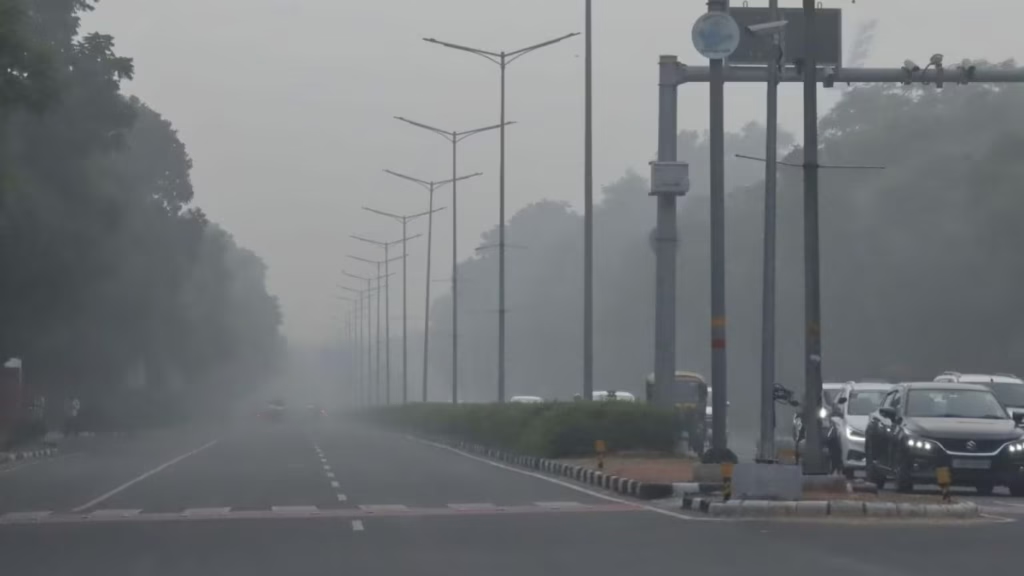
Chandigarh: The weather in Chandigarh and Union Territory areas turned significantly colder, with the minimum temperature plummeting to 3.3°C — lower than many parts of nearby hill station Shimla. Residents woke up to a biting winter chill as the region continues to reel under a severe cold wave, disrupting daily routines and forcing many to seek warmth early in the morning.
Meteorological data shows that Chandigarh recorded one of its lowest minimum temperatures in recent days, even lower than Shimla, one of North India’s most popular hill destinations known for cold weather. This unusual temperature pattern highlights the intensity of the cold wave sweeping across the northwestern plains and foothills.
Temperature Trends and Weather Conditions
- Minimum Temperature: 3.3°C in Chandigarh
- Comparative Chill: Colder than Shimla, which typically experiences lower temperatures due to its higher altitude
- Cold Wave Conditions: Persistent, with low night temperatures and chilly mornings across Haryana, Punjab and the Himachal Pradesh foothills.
The India Meteorological Department (IMD) has attributed the plunge in temperatures to a strong western disturbance and calm winds that trap cold air near the surface. This pattern is typical during peak winter months when heat escapes rapidly at night under clear skies, sending mercury levels downward.
Fog, Travel Impact and Daily Life
Dense mist and fog have also returned to the region, further reducing visibility on major roads, highways and state borders. Commuters reported delays on morning routes as fog blanketed stretches of NH5, NH7 and urban connectors between Chandigarh, Mohali and Panchkula.
Several local transport services issued advisories urging passengers to leave early and use fog lights during low visibility hours. Train services experienced minor slowdowns, though no major cancellations were reported.
Health & Safety Advisory
Health departments have warned that the cold wave has serious implications for children, the elderly and people with respiratory conditions. Doctors recommend:
- Layered warm clothing
- Covering the head and feet
- Limiting outdoor exposure during early morning and late evening
- Staying hydrated with warm fluids
- Using proper heating methods at home to avoid sickness
Schools and colleges in the UT have reported early arrivals of students bundled in woollens, while street vendors and daily wage earners are urged to take extra care against cold-related ailments.
Fog: Impact on Travel and Life by Day
Dense mist and fog have also made a comeback to the region, bringing visibility on major roads, highways and state borders down further. Commuters reported delays in morning routes as fog shrouded stretches of NH5, NH7 and urban connectors between Chandigarh, Mohali and Panchkula.
Many local transport services issued advisories urging passengers to leave early and use fog lights during low visibility hours. Train services were also affected, experiencing minor slowdowns, though no major cancellations were reported.
Health & Safety Advisory
Health departments have already warned that children, the elderly, and people with respiratory conditions are in the frontline of serious implications because of this cold wave. Doctors recommend:
Clothing with layers of warmth
Covering the head and feet
Limit outdoor exposure during the early morning and late evening.
Fluid replacement with warm liquids
Proper Heating at Home to Avoid Sickness
Schools and colleges in the UT reported early arrivals of students bundled in woollens, while street vendors and daily wage earners have been advised to take extra care against cold-related ailments.
What Made This Cold So Intense?
According to experts, the weather associated with this phenomenon is characterized by the following:
Western Disturbances: Weather systems that bring moisture and winds from the Mediterranean region, thus reducing the temperatures.
Clear Night Skies: This feature ensures that there is little cloud coverage, allowing heat from the Earth’s surface to escape quickly into space.
Weak Winds: This is because cold air is less dense compared to warmer air. Thus, it stays close to
These reasons together have created one of the coldest periods in recent times in Chandigarh and the UT region, including Mohali and Panchkula.
Unseasonal Chill Brings Urgent Cold Precautions
This 3.3°C minimum temperature recorded in Chandigarh, even lower than that of Shimla, reflects the intensity of the current cold wave gripping the entire northIndian area. Such unexpectedly intense cold has already affected people’s movement in terms of transportation, daily activities, and even healthcare being adjusted to protect people against the cold wave, especially the thick fog in the mornings.
The meteorologists foresee continued cold conditions for the next few days. Tourists from Uttarakhand, Himachal, Punjab, and Haryana need to stay updated with the weather bulletins issued by IMD and undertake journeys with extra care. Warm clothing, community vigilance, and awareness about weather conditions will remain key priorities for comfort and safety in the continuing cold spell.






More Stories
What the Failure of the Past Two PSLV Launches Says for ISRO
Iran Protests Intensify Amid Internet Blackout and Rising Iran Tensions with US and Israeli Governments
Makar Sankranti 2026: A Festival of New Beginnings, Energy, and Good Fortune – Follow These 3 Simple Remedies