





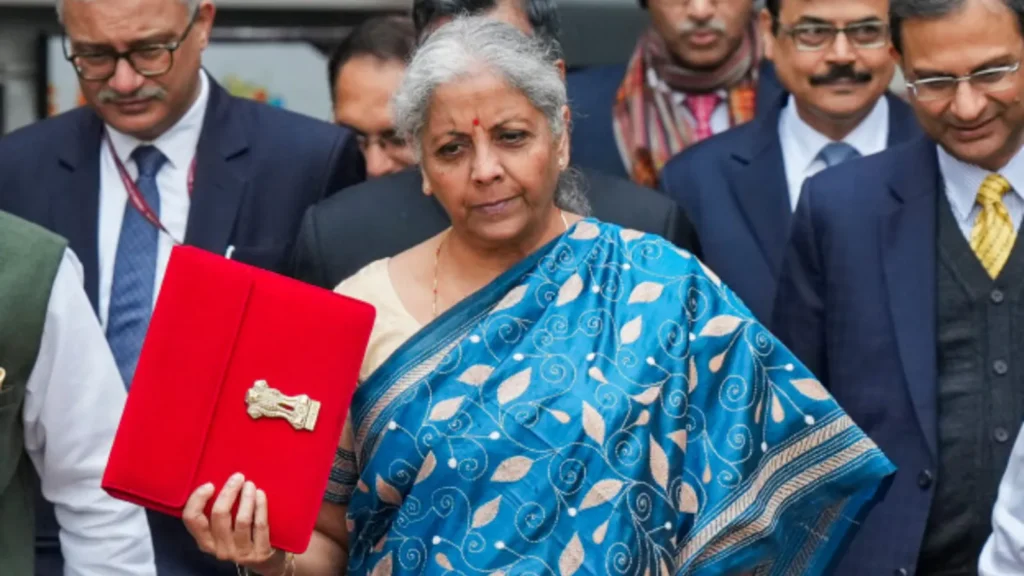
India’s hospitality and tourism industry has renewed its call for key reforms ahead of Budget 2026. In the pre-budget meeting with Finance Minister Nirmala Sitharaman, the sector brought forth long-pending issues that hamper growth and investments.
One of the loudest demands was that there should be a single-window system for clearances and licences pertaining to hotels. As explained by the industry captains, the existing mechanism involves multiple departments, long waiting periods, and paperwork in many repetitions, which delays the process of new projects. It was mentioned that an effective and simplified approval system would increase ease of doing business and bring in more domestic and foreign investment.
The industry also sought an increase in India’s overseas marketing budget. Foreign tourist arrivals remain below their pre-pandemic level, and a stronger international campaign along with better destination branding would create the right environment to place India at the front rank of global travel destinations. Stakeholders believe that better promotion is essential for both leisure and business tourism.
Another important issue discussed was that hospitality should be considered an “industry” in all states, thereby ensuring hotels have access to long-term, low-cost financing and other benefits extended to industrial sectors. For the sector, this would be supportive of expansion, upgrading, and sustainability.
Apart from this, the meeting also brought clarity in the GST rules concerning hotel rooms. Hoteliers were concerned about the reduced GST rates being offered without input tax credit, adding to operation costs. They asked for transparent guidelines and a more balanced structure that could support business as well as customers.
The industry further called for the establishment of a robust National Tourism Board under the amended tourism policy. It proposed that private-sector experts be included to ensure proper planning, coordination of marketing efforts, and long-term strategies for growth. Stakeholders said such comprehensive reforms can make India’s hospitality ecosystem more competitive and efficient, with global visibility.
Vehicular emissions remain the biggest contributor and accounted for 17.3% of Delhi’s PM2.5 levels on Thursday, said the IITM-Decision Support System. Farm fires added another small but significant layer of pollution, with satellites detecting crop-burning activity in Punjab, Haryana, and Uttar Pradesh.
Doctors from AIIMS have issued some of the strongest warnings yet. They reported a 10–15% rise in respiratory and pollution-related cases in recent days, with hospitals seeing patients suffering from wheezing, breathlessness, burning eyes, and worsening COPD. Dr Anant Mohan from AIIMS said the situation has turned “life-threatening”, underlining that pollution is now damaging not just lungs but the heart, brain, mental health, achildren. He added that many patients are ending up in emergency rooms and on ventilators, showing how grave the crisis has become.
Experts also warn that masks and air purifiers are not long-term solutions. According to Dr Saurabh Mittal of AIIMS, Delhi makes a “huge mistake” by treating pollution as a November-only issue. Temporary measures such as sprinklers and street sprays provide minimal benefit, he said, and the city needs year-round policy action instead of seasonal panic.
Meanwhile, a survey by LocalCircles revealed the massive scale of the health impact. It found that 8 out of 10 households had at least one member fall sick in the last month due to polluted air. Over 36% households reported four or more members suffering symptoms such as cough, headaches, burning eyes, congestion, and aggravated asthma.
The crisis has now drawn the attention of the Supreme Court, which this week urged the authorities to consider deferring school sports events scheduled for November and December. The bench compared the situation to making children “train in gas chambers.” The Court also asked states to strictly follow stubble-burning guidelines and conduct monthly reviews of pollution-control measures.
Public frustration is growing across the city. Parents, children, and workers have taken to the streets at India Gate and Jantar Mantar, protesting what they described as “year-round inaction” on the part of the authorities. Many said restrictions under GRAP hit daily-wage workers hard, yet Delhi’s air remained toxic because enforcement continued to be weak and long-term planning was missing.
With experts sounding warnings and hospitals coping with an increase in cases, Delhi finds itself again fighting against poor air quality, which is affecting day-to-day living and long-term health. In the absence of consistent and sustained efforts, residents fear that the crisis will deepen further with each passing winter.




More Stories
Iran-Israel War News Live Updates: Smoke seen rising from the US embassy vicinity in Kuwait, claims report
India to protect its interests in trade deal with US: Piyush
All 7 On Board Air Ambulance Flying To Delhi Die In Crash In Jharkhand