






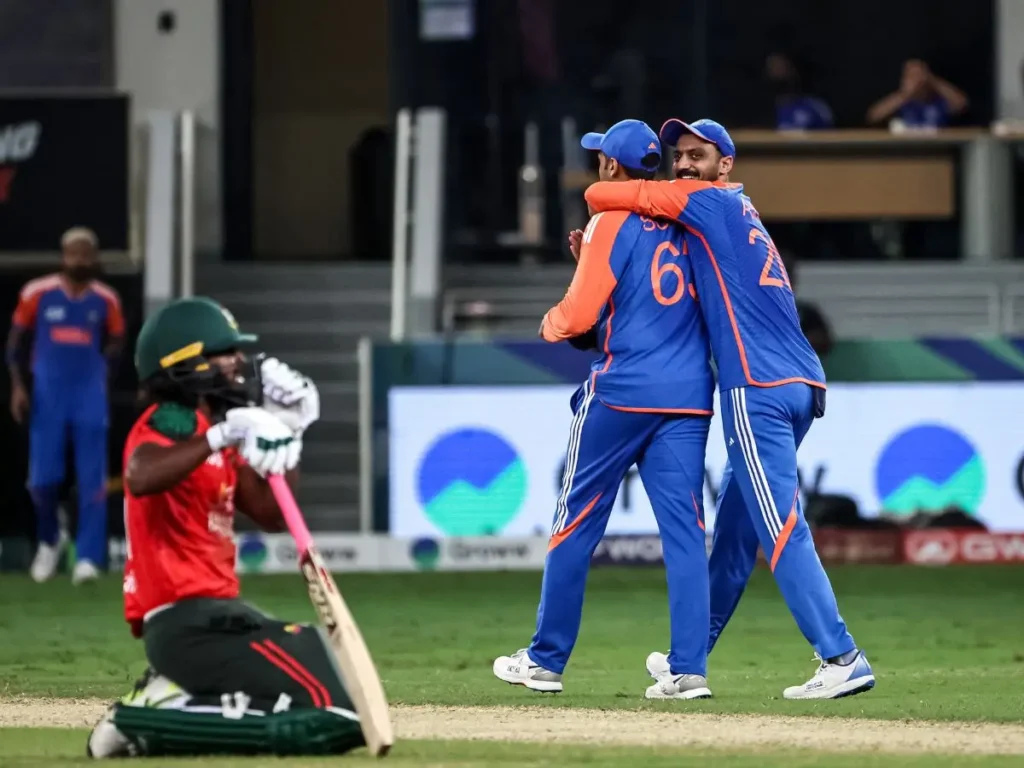
ICC Refutes BCB’s Call for Reschedule of ICC T20 World Cup Matches in 2026, Leading Bangladesh into a Diplomatic and Sports-related Stalemate Over Its Participation in the ICC T20 World Cup in 2026.
Only two voting ICC members supported the Bangladesh Cricket Board’s call, while the rest confirmed their stance in retaining the original schedule unaltered in response to ICC’s move on the ICC T20 World Cup in 2026.
By Md Wahab Khawase, Special to ASSORTED NEWS NETWORK (ANNEWSNET)}
The move implies that the four group stage matches to be held in Kolkata and Mumbai will go ahead as scheduled when the tournament kicks in on February 7, 2026, with India and Sri Lanka as co-hosts.
Why Bangladesh Wanted a Venue Change
The BCB had formally asked the ICC to relocate its matches to Sri Lanka, citing security and safety concerns following recent political tensions between the two neighbouring countries. Bangladesh also flagged what it called an “unsafe environment” for its players and officials in India, and suggested an alternative schedule centred entirely in Sri Lanka.
BCB President Aminul Islam Bulbul reiterated that Bangladesh was willing to participate in the World Cup, but not “at the cost of players’ safety”, and pressed for a venue shift to ensure conditions were acceptable for his team.
ICC’s Response and Ultimatum
The ICC examined the BCB’s request alongside multiple independent security assessments and venue-level evaluations. ICC officials concluded there was no credible threat to the safety of the Bangladesh team, match officials, media personnel or fans at any of the Indian venues.
In its official statement, the ICC said:
- Relocating matches this close to the event would jeopardise the integrity and planning of the tournament.
- Changes without verified security evidence could set a dangerous precedent for future events.
- Venue decisions were based on objective threat assessments and host guarantees from India’s security apparatus.
The ICC has also given the BCB a 24-hour ultimatum to confirm whether it will comply and travel to India, warning that failure to do so could result in Bangladesh being replaced in the tournament—with Scotland widely seen as the likely replacement team.
What’s at Stake for Bangladesh
If the BCB refuses to send its team to India, it risks:
- Exclusion from the 2026 T20 World Cup, one of cricket’s marquee tournaments.
- Replacement by another team, most likely Scotland, based on rankings and lineup readiness.
- Lost opportunities for players to compete on the world stage and for fans to watch their team in action.
The situation has prompted intense consultations among Bangladesh cricket authorities, government officials and team leadership as they weigh diplomatic and sporting considerations ahead of the deadline.
What Happens Next
1. Deadline for Bangladesh’s Decision
The ICC has set a strict timeframe for the BCB to confirm its position—potentially as short as 24 hours after the ruling—or risk forfeiting its place in the World Cup, which draws 20 nations from across the globe.
2. Potential Replacement
If Bangladesh withdraws, Scotland is expected to be next in line to fill the spot, preserving the integrity and structure of Group C, where fixtures were already scheduled.
3. Impact on Tournament Schedule
The ICC has underscored that late changes to venues or groups would disrupt a finely tuned tournament calendar and negatively affect fans, sponsors, broadcasters and other stakeholders.
Bangladesh Faces a Crucial Decision
The ICC’s rejection of the Bangladesh Cricket Board’s request to shift T20 World Cup matches out of India has escalated a complex dispute at the intersection of sport, security concerns and geopolitical tensions. With only two boards backing Bangladesh’s plea, the dominant ICC position emphasises adherence to tournament schedules and objective security evaluations.
Now Bangladesh must choose between playing its scheduled matches in India under the original plan or risking exclusion from the tournament, with a replacement team on standby. As the deadline approaches, cricket fans worldwide will be watching closely — not just for the outcome of this sporting debate, but for what it could signal about governance, fairness and the future of global cricket competitions.





More Stories
Top 10 sustainable companies in India 2026: IT firm at no. 2 sets benchmark in gender equality with the largest female tech workforce
India vs New Zealand, T20 World Cup 2026 Final: IND defeat NZ by 96 runs, wins third title
Samir Soni reacts as the internet calls Amitabh Bachchan the real villain of Baghban: finally, some redemption