





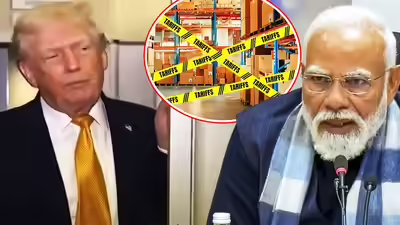
Former U.S. President Donald Trump has once again put the spotlight on escalating trade tensions between India and the United States, suggesting that Indian Prime Minister Narendra Modi is “not that happy” with him over steep American tariffs on Indian goods. Trump’s remarks also touched on defence cooperation issues, notably the delivery delays of Apache attack helicopters, highlighting friction in both economic and strategic ties between the world’s two largest democracies.
Trump made the comments while addressing Republican lawmakers at a policy retreat, amid stalled trade negotiations and ongoing disagreements over tariffs tied to energy and defence purchases.
Steep Tariffs and Trade Strain
At the centre of the dispute is a 50 per cent U.S. tariff on Indian imports, which includes a 25 per cent levy for India’s continued purchases of Russian oil. Trump said that while he maintains a “very good relationship” with PM Modi, the high tariffs have been a source of displeasure for New Delhi—particularly as India has historically imported Russian energy at discounted rates.
Trump described the tariff situation as part of a broader leverage strategy, saying that tariffs could be raised “very quickly” should India fail to address U.S. concerns about Russian oil purchases. He credited the levies with reducing India’s Russian energy imports substantially but reiterated their role as a sticking point in bilateral negotiations.
Disagreements Over Russian Oil and Tariffs
The tariff row is closely linked to global geopolitics. Washington has argued that India’s Russian oil purchases help finance Moscow’s war efforts, prompting punitive duties on Indian goods and warnings of further hikes if New Delhi does not align more closely with U.S. sanctions policies.
In response, India has engaged in multiple rounds of trade talks with U.S. officials, aiming to resolve tariff disputes and expand market access — particularly for sectors like agriculture, industrial goods and services — while resisting concessions that could disadvantage Indian farmers and MSMEs.
Defense Cooperation and Delivery of Apaches Helicopters
Trump also raised issues regarding military procurement, specifically involving the delivery of Apache attack helicopters imported from the U.S. Although the Trump administration was saying there was an Indian purchase order for “68 Apaches”, with long delivery schedules, research reveals Indian purchases for 28 attack choppers, with delayed delivery due to supply chain disruptions.
Times of India Despite some discrepancies in numbers, Trump has linked Apache delays to general trends in defence supply and has employed these to emphasise rapid U.S. production of weaponry and effective cooperation on a strategic level.
Where Talks Stand Now
- Trade Negotiations: India and the U.S. remain engaged in talks to find common ground on tariffs and market access, though differences over Russian energy purchases and agricultural duties persist.
- Tariff Concerns: U.S. lawmakers, including Senator Lindsey Graham, have backed tougher penalties on countries importing Russian oil, reinforcing political support for strong tariff measures.
- Diplomatic Exchanges: New Delhi has sought tariff relief from Washington, including appeals via Indian diplomatic channels, even as it balances international energy needs with trade imperatives.
These dynamics reflect the broader complexity of U.S.-India economic ties, where cooperation in defence and strategic engagement intersects with economic policy and geopolitical pressure
Broader Economic and Strategic Implications
Impact on Trade
The high tariffs have already affected several key Indian export sectors — including steel, aluminium and engineering goods — prompting Indian exporters to explore alternative markets and adjust supply chains.
Energy Strategy
India’s energy strategy, which has historically included Russian crude for cost-effective diversification, now faces scrutiny from Washington, complicating an area of cooperation that previously underpinned bilateral relations.
Defence Collaboration
Defence cooperation remains a cornerstone of strategic ties, but disagreements over procurement timelines and supply chain responsiveness highlight operational challenges within this domain.
A Trade Row That Tests Strategic Ties
The latest comments by Donald Trump—that PM Narendra Modi is “not that happy” with him over steep U.S. tariffs—underscore the persistent and evolving tensions in India-U.S. trade relations. While both sides profess mutual respect and strategic partnership, economic policy Disputes rooted in Russian energy purchases and tariff strategy have created diplomatic challenges that ripple into sectors like defence and energy cooperation.
Resolving these issues will require continued negotiation, mutual compromise and careful balancing of national interests as India and the United States pursue deeper economic integration amid global geopolitical shifts. For now, the tariff dilemma remains a litmus test for the strength of this crucial bilateral relationship — one where strategic alignment often coexists uneasily with economic competition and political pressures.




More Stories
Samir Soni reacts as the internet calls Amitabh Bachchan the real villain of Baghban: finally, some redemption
Blinkit CEO Deepinder Goyal Steps Down; Albinder Dhindsa Appointed to Replace Him—What It Means to Blinkit
ICC Dismisses Bangladesh’s Request for T20 World Cup Venue Change: Here’s What Went Down