





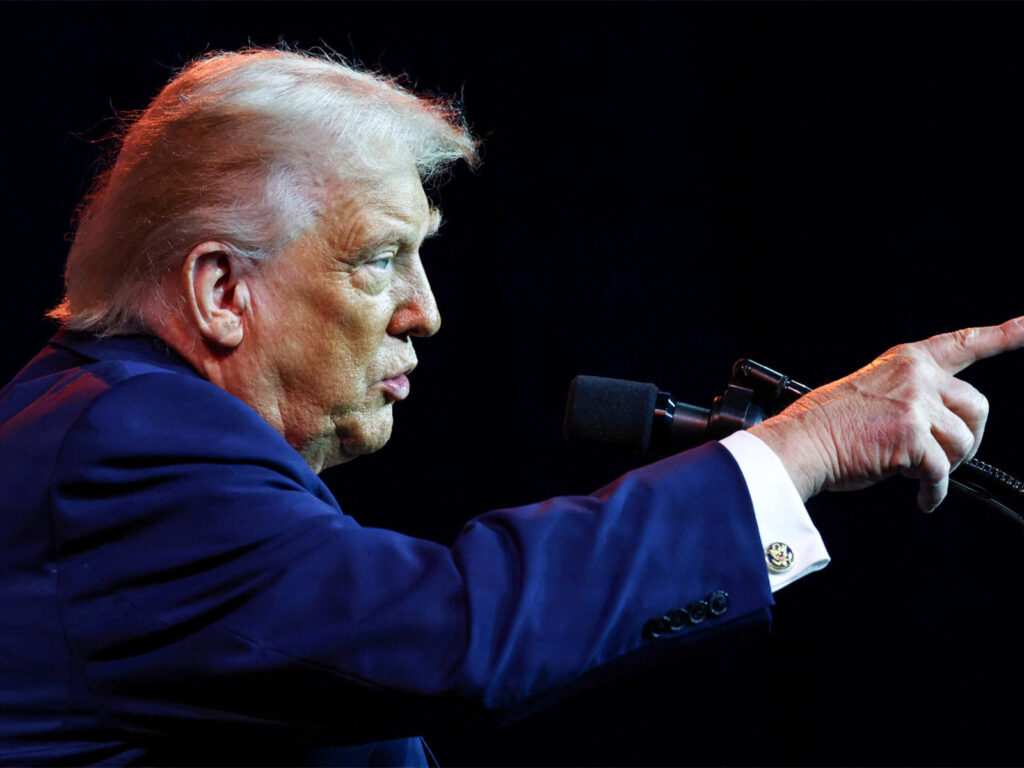
The U.S. government recently revealed that it will leave 66 international organisations in a move that can be identified as one of the most drastic shifts in U.S. engagement in recent years. This move is a result of the vision of ex-President Donald Trump, who had been a strong advocate for such a shift in the previous administration, which still stands today.
According to officials, the action represents an effort to ensure the sovereignty of America and minimise commitments of financial resources abroad in favour of “America-first” policies. But some experts say the action represents a step in the wrong direction regarding the influence of America in international governance mechanisms.
What the Withdrawals Entail
The list of 66 organisations includes a wide range of entities, spanning health, economic, scientific, cultural and environmental cooperation. According to government sources:
Some of the exits have been formally initiated and are underway.
Others were still pending final legal or administrative steps to have full effect.
Some withdrawals may involve complete disengagement, whereas others involve a step back from membership rights and voting privileges without a total withdrawal from day-to-day operations.
This makes many of these organisations under the United Nations family, specialized agencies, global treaties, and intergovernmental partnerships more so in the scaling back.
Examples of Organisations Affected
The entities affected include:
Agencies and Commissions Unaffiliated to
Major global health partnerships
Multilateral economic forums
International environmental agreements and entities
However, officials have not publicly released the entire list. Notably, according to experts, “the extent of such a disengagement has never been seen in modern U.S. foreign policy.”
Reasons for U.S. Withdrawal
Among the reasons given by government spokesmen and Trump’s supporter friends are
1. Sovereignty and National Interest
The U.S. Administration had also argued that multilateral bodies tend to lay down rules, responsibilities, or costs of participation that are not suitable to the United States’ strategic intentions or interests.
2. Financial Aspects
The majority of agencies have annual dues that member states pay, with U.S. officials arguing that the financial obligations affect them negatively.
3. Policy Autonomy
By leaving these influential bodies, the United States can, according to policymakers, set its own policies in the areas of trade, security, and health, as well as climate change, without having to agree on anything with other states, as is the case in these influential bodies.
These policies have been presented as following “America First” policies, prioritizing domestic economic development and securing the borders of America over international commitments.
Reactions from Around the World
The concern and surprise of many foreign governments have been heightened by the nature of their relationships with the United States. Some are reliant on American cooperation when it comes to their security needs and development assistance.
International Organisations
Various leaders of the institutions have also said that withdrawal by the US may weaken joint efforts for health, climate change, economic support, and maintaining peace. Some institutions have also said they would find new funding to continue providing services.
U.S. Allies
The classical US partners within and outside NATO have called on Washington to reassess its large withdrawals, fearing a lack of US presence in global governance forums could lead to a leadership vacuum and give a free pass to authoritarians.
Implication of findings for global cooperation
The withdrawal from 66 organisations may have serious repercussions:
Health Systems and Pandemic Response
Learning Objectives
Without U.S. engagement in international health collaborations, the efforts concerning the surveillance of contagious diseases, delivery of vaccinations, and the preparedness plans for a pandemic could be left lacking direction or the necessary funding.
Climate Action & Environmental Policy
A departure from environment-related institutions may harm the international response to climate change, biodiversity, and development goals, where the United States has traditionally carried significant weight.
Economic and Trade Forums
A retreat from the major economic institutions may result in countries being excluded from U.S. industry and financial interests when economic integration of the global economy is a key concern for countries.
What This Means for India and Other Key Partners
Countries like India, Japan, Australia and members of the European Union — which collaborate with the U.S. on shared challenges — will need to adapt to the evolving diplomatic landscape. Analysts believe:
- India may continue to pursue both multilateral engagement and strategic autonomy, balancing ties with the U.S., Russia, China and global institutions.
- Global forums may adjust governance structures to fill gaps left by U.S. departures.
- Middle powers could gain influence in reforming or reshaping cooperation frameworks previously dominated by superpowers.
Conclusion: A Transformational Pivot With Global Impact
The United States’ planned exit from 66 international organisations signals a dramatic recalibration of its approach to international cooperation, multilateral governance and global leadership. While the administration frames these moves as protecting national interests and strengthening sovereignty, the broader consequences may include diminished U.S. influence, weakened global partnerships, and greater uncertainty in confronting transnational challenges such as pandemics, climate change and economic instability.
As global institutions brace for reduced American participation, the world may witness a rebalancing of multilateral power dynamics—with emerging powers, regional alliances and new coalitions stepping in to fill leadership roles once anchored by the U.S.
For partners like India and other democracies, this shift presents both challenges and opportunities — requiring diplomatic agility, strategic collaboration and a renewed commitment to collective problem-solving in an era of shifting global norms.





More Stories
Samir Soni reacts as the internet calls Amitabh Bachchan the real villain of Baghban: finally, some redemption
Blinkit CEO Deepinder Goyal Steps Down; Albinder Dhindsa Appointed to Replace Him—What It Means to Blinkit
ICC Dismisses Bangladesh’s Request for T20 World Cup Venue Change: Here’s What Went Down