






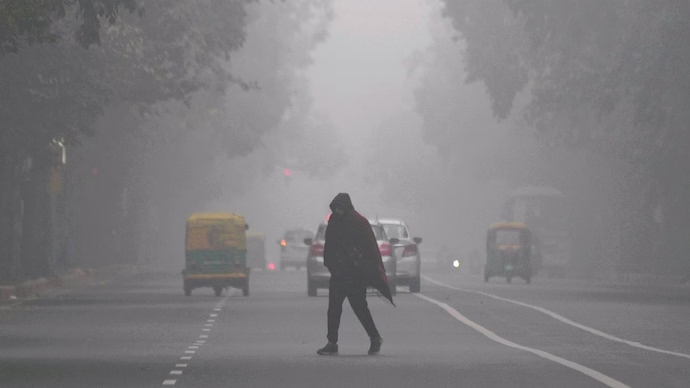
North India is preparing itself for a severe cold wave over the next few days, with temperatures expected to go down significantly and thick fog affecting visibility across the region. The India Meteorological Department has forecast very cold to severe cold conditions in several states, such as Delhi, Haryana, Punjab, Uttar Pradesh, Rajasthan and Himachal Pradesh, as winter weather gains momentum.
Weather Outlook: What to Expect
Cold Wave Intensification
Thereafter, a cold wave is likely to persist over North India through this week, along with below-normal night temperatures. Several regions, especially over western Uttar Pradesh, Haryana and Delhi, may record minimum temperatures near or below 5°C.
Dense Fog and Reduced Visibility
Dense fog, expected to develop during early mornings and late nights, will greatly reduce visibility on highways and in urban areas.
Delhi and Lucknow in the North and Chandigarh and Jaipur in the West are some of the cities where the fog would be moderate to heavy; travel and daily commutes to these cities are likely to be affected.
Fog is quite common during periods of intense winter cold when cool air gets trapped close to the ground, and stagnant conditions prevail over several hours, which makes the dispersion of pollutants and moisture very difficult.
Temperature Trends and Regional Impact
According to the IMD forecast,
Expect frosty mornings for the plains of North India with lows several degrees below normal.
Hilly regions of Himachal Pradesh and Uttarakhand might see sub-zero night temperatures at higher elevations.
Cold wave conditions are likely to prevail throughout the week, with possibilities of further drops in minimum temperatures.
The western disturbances, which bring cold winds and cloudy skies, have a bearing on the continuing spell of cold weather and raise the chill factor in the region as a whole.
Impact on Daily Life & Travel
🚗 Transport Disruptions
- Highways and motorways may see slow or disrupted traffic due to early-morning dense fog.
- Airport and rail operations could face delays or cancellations if visibility falls below safety thresholds.
👩👩👧👦 Health Concerns
- The intense cold and foggy conditions can aggravate respiratory ailments, especially among the elderly, children and people with asthma or bronchitis.
- Sudden temperature dips also pose risks of cold stress and hypothermia for outdoor workers and the homeless.
🏫 Precautionary Measures
- Schools and parents are advised to monitor weather updates routinely and ensure children are well covered in warm clothing.
- Daily commuters should plan extra travel time, use fog lights, and drive cautiously in low visibility.
🧤 Government Advisories & Safety Tips
Officials from state disaster management agencies have issued alerts recommending:
- Warm clothing layers, including woollens, gloves and headgear
- Staying indoors during peak cold hours (early mornings and late nights)
- Keeping heating sources safe to prevent indoor accidents
The IMD also suggests that local administrations maintain open shelters for vulnerable populations and coordinate with health departments to address cold-related emergencies.
Why North India Experiences Thick Fog & Intense Cold
- North India experiences dense
- Fog and cold waves in North India usually result from:
- Western disturbances carrying cold & moist air
- Clear skies tonight; heat escapes very rapidly
- Wind speed is low. This leads to cold air being held close to the earth’s surface.
- A concentration of pollutants in urban areas, possibly thickening the fog
These atmospheric factors combine to cause reduced visibility and a chilled effect, especially over the Indo-Gangetic Plains.
Prepare for Prolonged Cold and Fog Across North India
An intense cold wave and dense fog are set to impact North India through this week, bringing freezing temperatures and disrupted travel conditions. With several states expected to record below-average night temperatures and widespread morning fog, residents should prioritize health safeguards and travel planning.
Whether commuting on highways, heading to airports, or stepping out for routine errands, staying informed through IMD updates and weather alerts is essential. As cold conditions persist, local authorities are advising extra caution, warm clothing, and early preparation to cope with the harsh winter weather.
With safety measures in place, communities can navigate the coming days more comfortably and securely—while recognizing that winter’s grip across North India is likely to remain firm for the immediate future.





More Stories
Hair Loss, Low Energy, and Other Signs Your Body May Need More Protein
Monsoon Skincare Guide: Essential Ingredient Swaps to Keep Your Skin Healthy This Rainy Season
Dubai Airports update March 19: Air India schedules 48 West Asia flights; IndiGo resumes Dubai operations