





The proteins are some of the most vital parts needed by the human body. Proteins are very important for the development of muscles and tissues, as well as making the immune system of the body stronger and healthier. While these proteins are vital for the body, there are many people who do not have enough of these proteins in their bodies daily. However, when the body is devoid of proteins for long periods, there will be visible consequences of this deficiency.
- Frequent Fatigue and Exhaustion
When you constantly feel tired despite sufficient sleep, this means that you do not have enough protein in your body. The reason for this is that proteins are responsible for energy and other body processes.
- Hair Loss
The hair consists of protein, and when this nutrient is deficient in the body, it focuses on more crucial functions than on hair growth. Thus, increased hair loss can occur due to a lack of protein.
- Brittle or Weak Nails
For nails to be healthy and hard, there should be enough protein in the diet. Lack of protein in one’s body may make the nails brittle, hence cracking and splitting. Nutritional health is normally associated with good nail health.
- Delayed Muscle Recovery
Muscle growth and repair involve proteins. People who work out frequently are likely to experience delayed recovery times, sore muscles, and have a hard time building muscles due to a lack of protein in the body.
- Frequent Hunger
It is believed that protein induces satiety. People who eat diets that lack enough protein may feel hungry after eating, hence eating frequently.
- Illnesses Occurring Often
The function of the immune system depends on protein since this nutrient helps build antibodies and maintain immune responses. Long-term protein deficiency may lead to poor immune function, thus making the body more prone to diseases.
- Retention of Fluids in Some Parts of the Body
In certain situations, an extreme shortage of protein may result in retention of fluids in some parts of the body, such as the feet, ankles, and legs. The reason for this is that protein is responsible for fluid regulation in the body.
- Lack of Concentration
The brain derives its amino acids from protein, which is also essential in the development of neurotransmitters. Protein deficiencies can be seen through problems with concentration and alertness.
- How to Increase Your Intake of Protein?
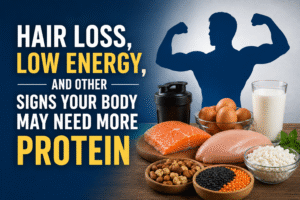
To eat the required amount of protein through your normal meals, there is no need for you to change your food habits dramatically. There are some foods, such as eggs, dairy products, lentils, beans, soy products, fish, chicken, nuts, and seeds, which would provide you with more protein-rich meals. Taking one food item that is full of protein in all your meals is the first step towards a healthy life.
Protein is very crucial for the body as it is needed by the body to form muscles, hair, nails, and immunity. Some of the symptoms of having less protein in your body include losing your hair, feeling exhausted, getting hungry frequently, and slow recovery from injuries.





More Stories
Monsoon Skincare Guide: Essential Ingredient Swaps to Keep Your Skin Healthy This Rainy Season
Dubai Airports update March 19: Air India schedules 48 West Asia flights; IndiGo resumes Dubai operations
Karnataka SSLC Kannada Exam 2026 on March 18: Check Important Topics, Timing & Last-Minute Tips