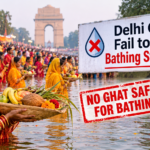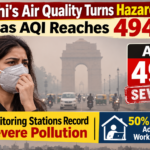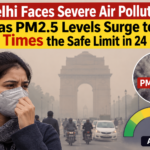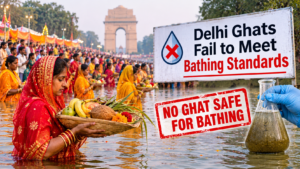


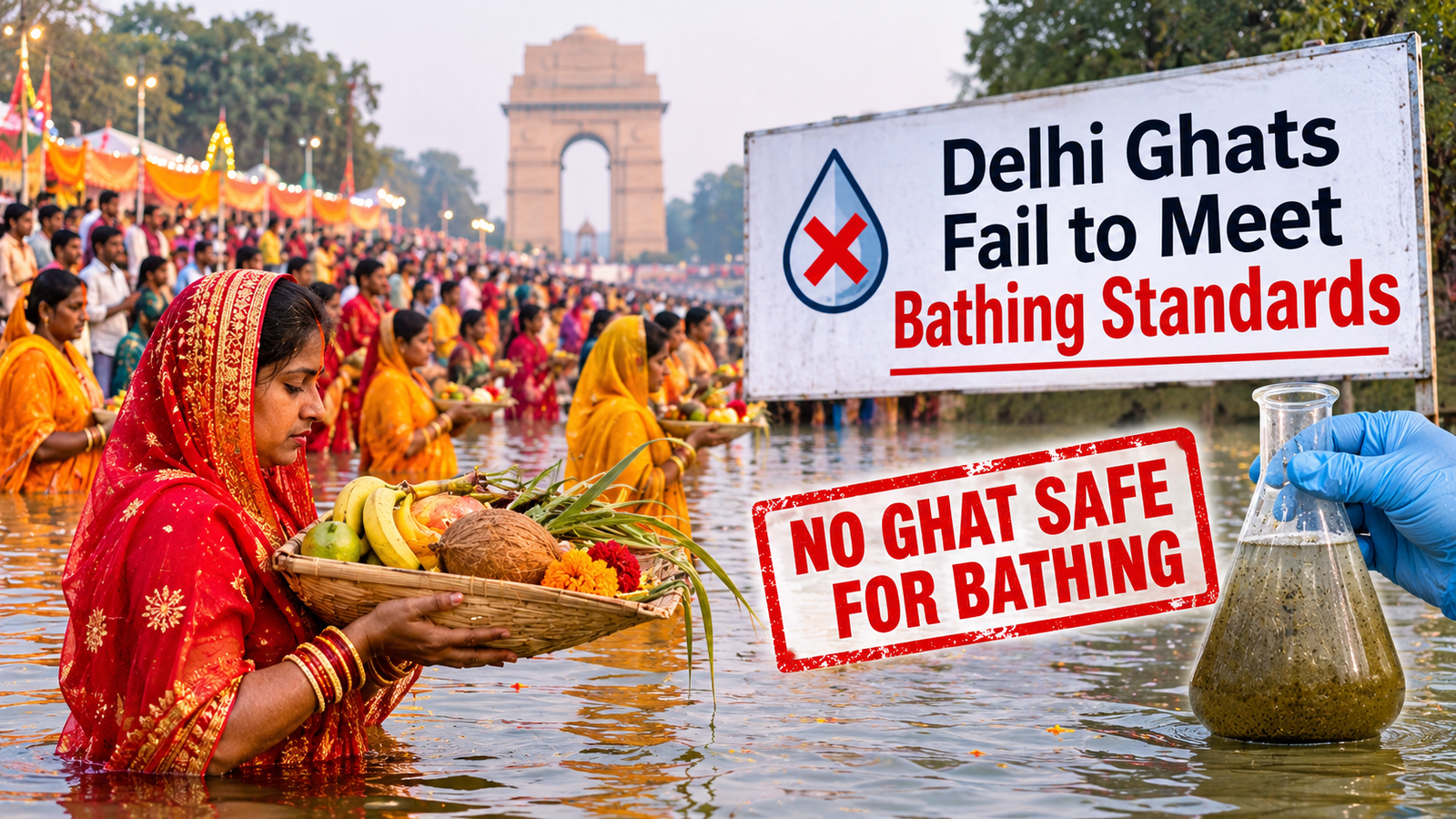
Three ghats almost achieved the required level. Meanwhile, during preparations for Chhath Puja being made in Delhi, there are apprehensions of the problem of water quality at the ghats. However, this assessment has opened up a new question for the devotees who go to the rivers and water bodies in the crowd for the purpose of Chhath Puja. The report said that no ghat in the national capital achieved bathing water quality.
Chhath Puja is an important festival on the Hindu calendar that honors the Sun God and Chhathi Maiya. Devotees fast and pray with full rigor while standing in water at various water bodies during sunrise and sunset. Every year, Chhath Puja is celebrated with thousands of devotees gathering at all water bodies including the ghats and river banks in Delhi.
“These include untreated raw sewage, domestic and industrial waste and contamination, as well as failing water infrastructure, all of which can adversely affect water quality in our rivers and elsewhere,” the report said. “High levels of pollution in water can cause skin irritation, stomach illnesses and other conditions.” In the long term, the water supplies can become contaminated, it added.
Though water quality was said to have been relatively closer to the prescribed limits at three ghats, the fact that there wasn’t a single location which had water quality that met the standards for bathing makes it difficult for authorities to strike a balance between pollution control measures and amenities for devotees.
Before the starting of the festival, it is anticipated that several civic agencies and other related departments will undertake activities of washing ghats and take measures for waste disposal and sanitation arrangements. Pilgrims will have to take very high precautions and follow advisory for water contact given by authorities.
“These findings show that the city needs to keep finding solutions for water quality in Delhi. In addition to the temporary measures for Chhath Puja, better sewage treatment plants, testing of water quality and pollution monitoring are some of the long-term solutions.”