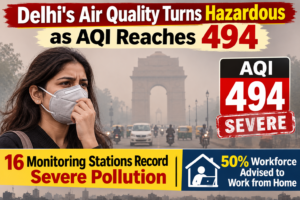
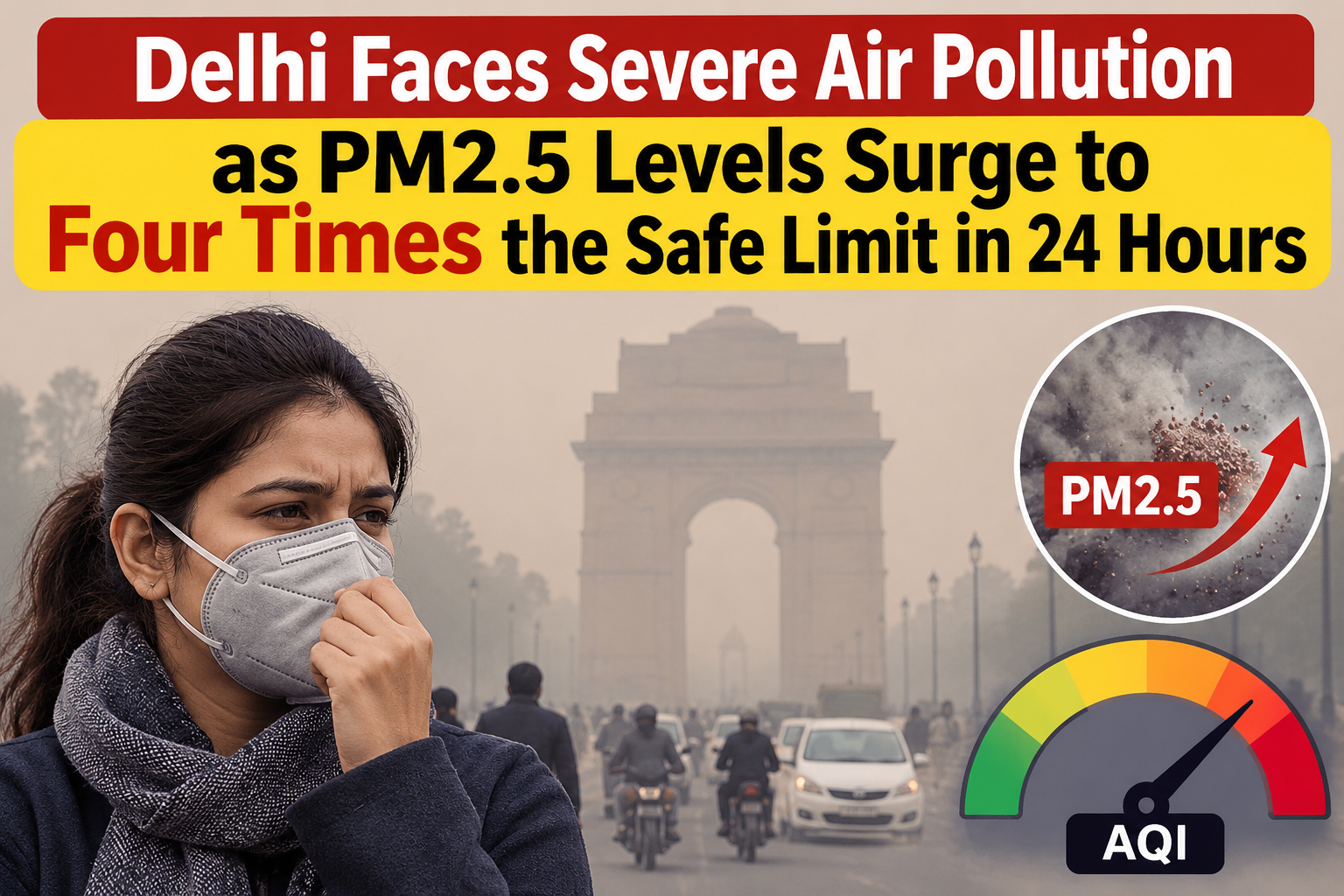
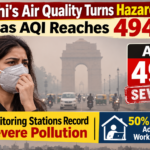
Air quality in Delhi is deteriorating day-by-day. Two dozen hours and the level of PM2.5 is already four times the maximum safe limit prescribed. Officials as well as residents are preparing themselves for the spike in air pollution and its repercussions on the health of people living in the national capital.
What are PM2.5? PM2.5 or ‘fine inhalable particles’ are tiny particles 2.5 micrometres or smaller. Due to their small size they can get deep into your lungs and even get into your bloodstream, causing cardiovascular and respiratory diseases and episodic asthma. Long term exposure can result in difficulty breathing and can worsen existing health problems for individuals with asthma and for children and the elderly.
The pollution levels have worsened in Delhi because of all mentioned above, however, several local factors such as vehicles, construction dust, industries, road dust, and weather conditions have aggravated the situation. During winters, lower wind speed and specific atmospheric conditions can promote the build-up of particles, with regional sources and burning of crop residue further compounding pollution.
With escalating pollution, there is another chorus of demand for tighter controls for managing emissions and air pollution in Delhi-NCR. Authorities could think of measures such as tracking building pollution, regulating construction work, road dust mitigation, and stricter emission norms on industries. Making public transport user-friendly and reducing the reliance on personal vehicles might also be helpful in the longer run.
Furthermore, the agency advises the population to limit visits outdoors for long periods, particularly when pollution is high, and if you have to go out, they should be take all precautions. It is also recommended that sensitive groups keep track of some symptoms such as dry cough, sore throat and difficulty breathing.
With the recent rise in PM2.5, it underscores the need for a collective effort. The battle against pollution in Delhi will be a test of sustained will, public activism and moderation in our approach to the environment rather than reactionary policies that mark winter.



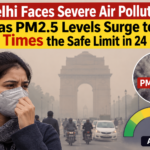
Delhi Faces Severe Air Pollution as PM2.5 Levels Surge to Four Times the Safe Limit in 24 Hours
Air quality in Delhi is deteriorating day-by-day. Two dozen hours and the level of PM2.5 is already four times the maximum safe limit prescribed. Officials as well as residents are preparing themselves for the spike in air pollution and its repercussions on the health of people living in the national capital.What are PM2.5? PM2.5 or…

by
No comments on Delhi Faces Severe Air Pollution as PM2.5 Levels Surge to Four Times the Safe Limit in 24 Hours
2 minutes
Read Time
About the Author

Previous Post
Next Post
Leave a Reply
Latest News



About the Author

thefirstcritic
The First Critic delivers the latest news and sharp insights across India, politics, business, entertainment, sports, technology, and more.
Search the Archives
Access over the years of investigative journalism and breaking reports