

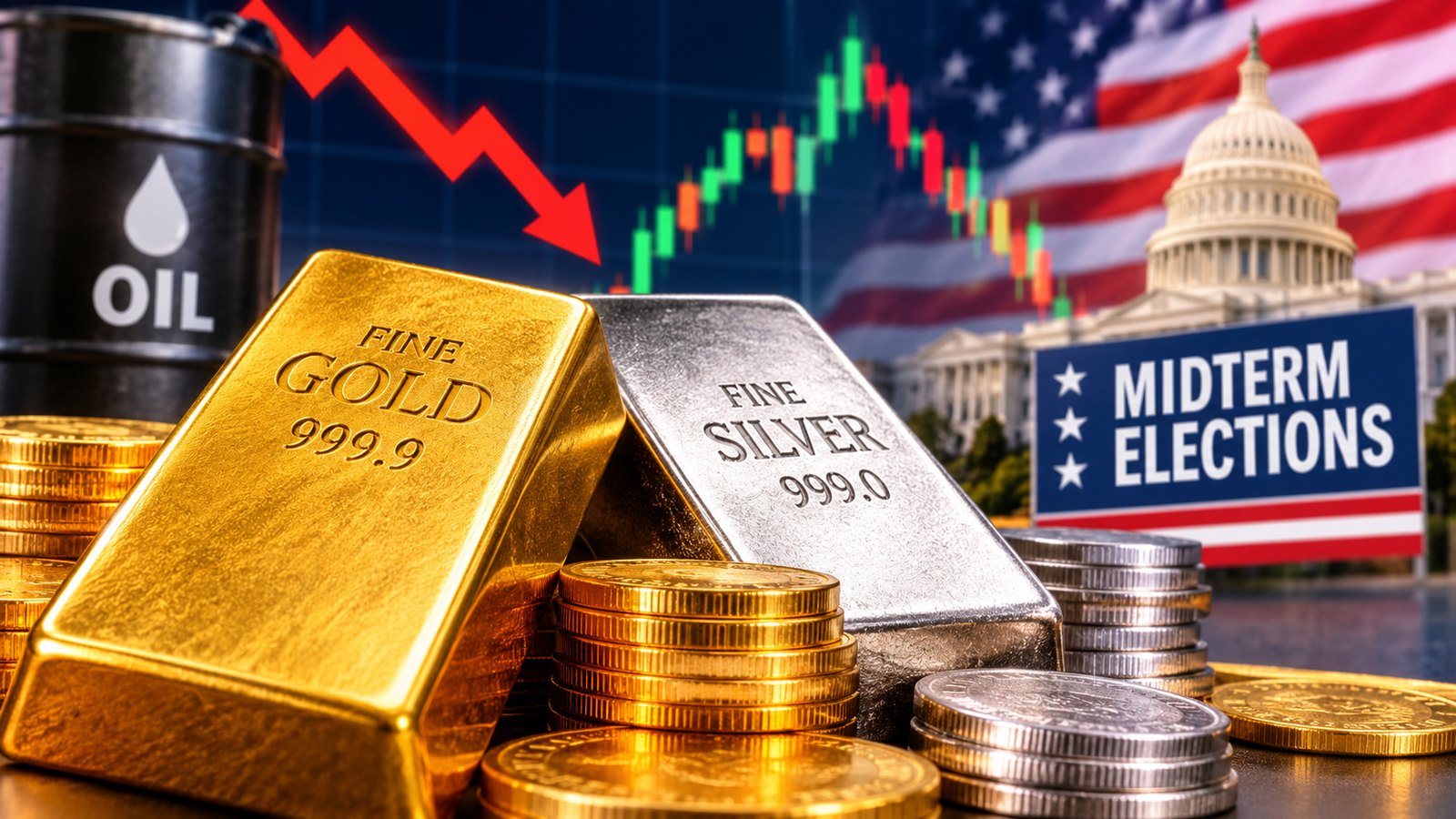
Gold and silver prices saw some renewed market activity as investors considered falling oil prices, inflation concerns and the upcoming US midterm elections. Gold rebounded from its session low, supported by buying interest and changing views on global economic conditions. The move underscored precious metals’ sensitivity to geopolitical developments, currency moves and expectations for monetary policy.
The fall in the price of crude oil was a welcome development for the bullion markets as it lessened the inflationary pressures. Lower oil prices tend to reduce the expectation of higher energy bills and so can have an effect on the rate of interest that central banks are likely to be considering. As gold doesn’t pay interest, its appeal is very much tied into the rate of interest and expectations of interest rate movements and the USD. That was the backdrop against which investors were assessing opportunities in the market after the recent corrections.
The US midterms were another major factor in market sentiment. The market was very much in the mode of watching what the election outcome might mean for government spending, economic policy and the markets in general. There’s always a potential for political uncertainty to drive demand for safe-haven assets (gold being the obvious example), though the extent to which that would happen would be very much dependent on the wider market. A weaker US dollar can also be a support for gold prices as it makes the metal more affordable for international buyers.
Silver also remained in focus alongside gold. However, silver’s performance can be influenced by both investment demand and its industrial applications. Changes in manufacturing activity, growth expectations and movements in the currency may all contribute to greater volatility in silver prices than in gold.
Market participants will obviously be watching the crude oil prices, the US dollar, the bond yields and the forthcoming economic data for further direction. Fed interest rate expectations will be of particular importance as a shift in the cost of borrowing can have an impact on the demand for non-yielding precious metals.
Despite the recovery, the gold and silver markets are still very much exposed to the vagaries of geopolitical events and shifting economic expectations. Investors will no doubt remain cautious as the markets react to the ever changing political and economic landscape. The next few sessions will be important in determining whether the recovery can hold or whether it will be subject to further pressure.